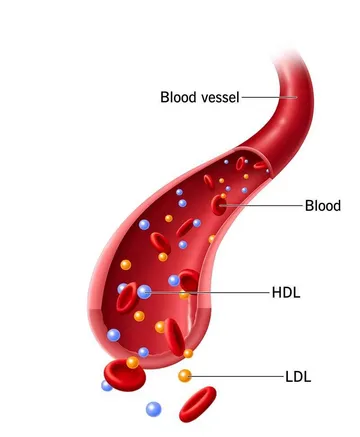
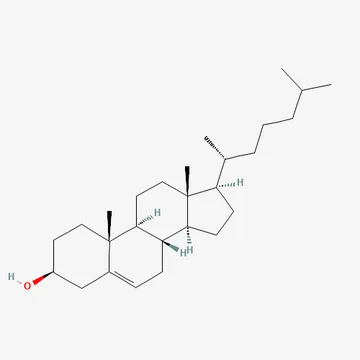
Coronary Artery Calcium Scoring
A positive scan is not a probability — it is proof that plaque has already formed. What the calcium score settles, what it misses, and when it should not be ordered at all.

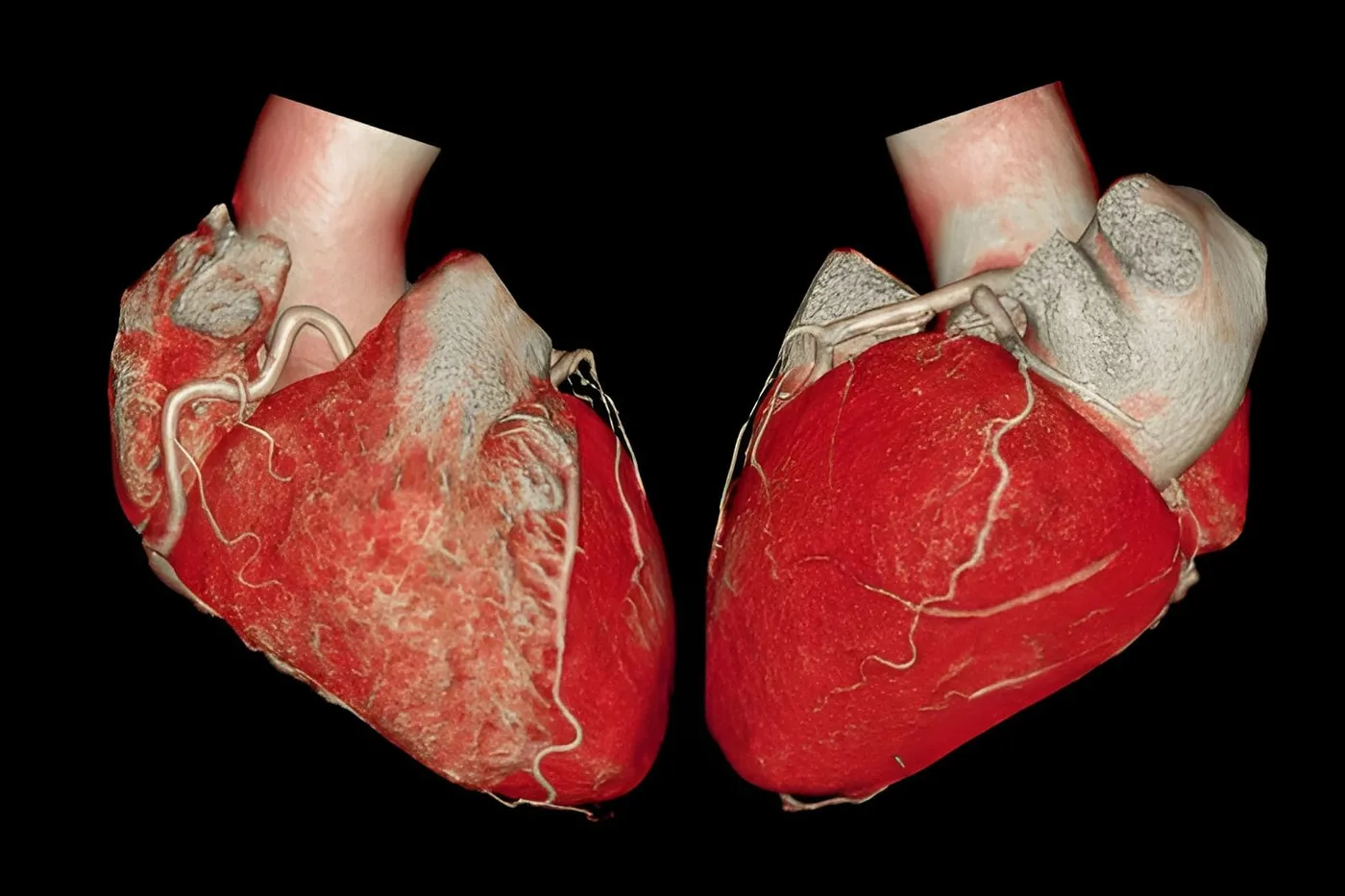
One of my favorite tests for heart health is the coronary artery calcium score, or CAC score.
The reason I like it so much is that I have many patients who exercise, eat relatively well, look healthy from the outside — and feel great.
And with those patients, we are usually stuck talking about probabilities. Risk calculators. Percentages. All of it often feels abstract and distant.
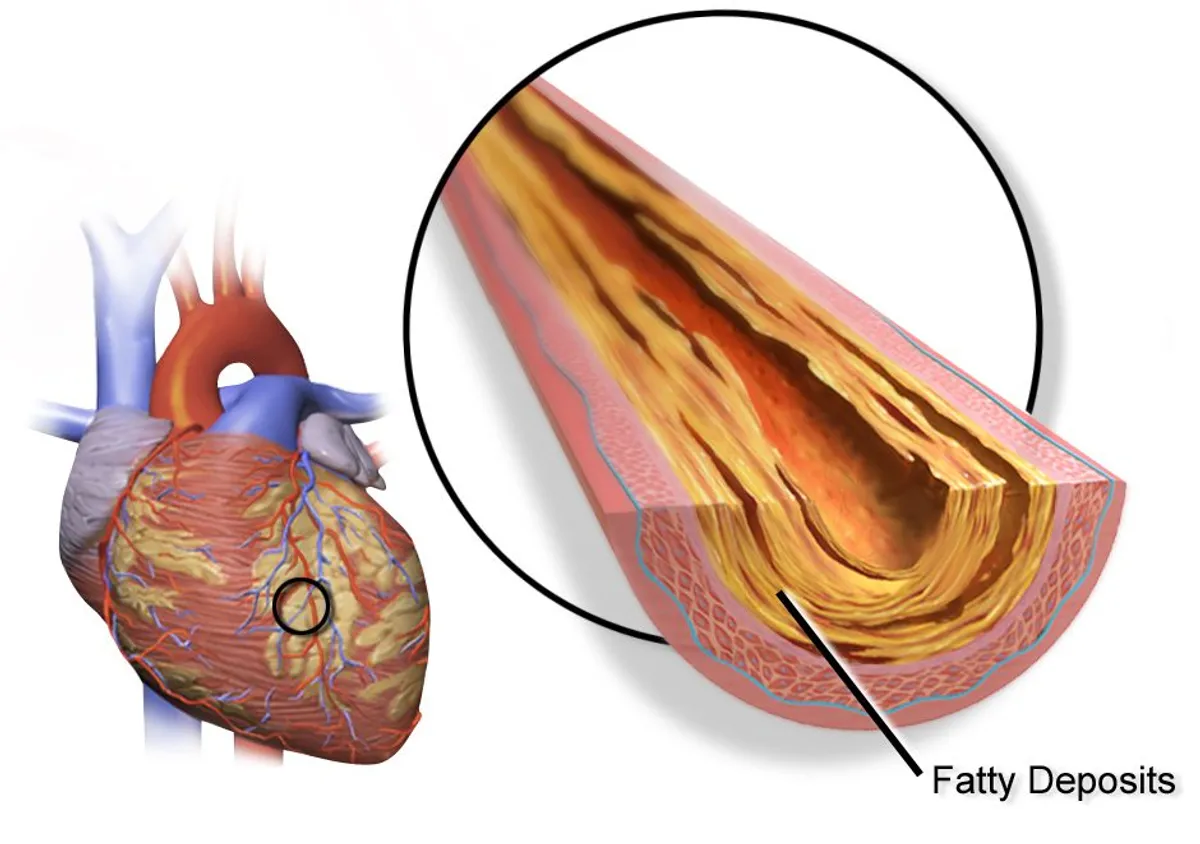
However, a CAC scan can change our conversation, because a positive scan is direct evidence that calcified atherosclerotic plaque has already developed in the coronary arteries.
Great start. But it is also a test that is easy to misread in both directions — ordered in people who never needed it, or treated as a certificate of immunity when it comes back zero.
So let’s go through what it does, what it cannot do, and when the result actually earns its place.
What the scan actually measures
A CAC scan is a noncontrast, ECG-gated CT scan. It looks for calcium inside plaque in the arteries that supply blood to the heart. The result is usually reported in Agatston units, a score based on the area and density of the calcification.
A positive scan is evidence of established coronary atherosclerosis that accumulated over years. Which means it cannot tell us which meal, which workout, which medication, or which year caused it — because that’s not how it happened. What it tells us is that prevention needs to get more specific.
What does all of that mean:
- For the patient: it makes clear that feeling healthy and having no atherosclerosis are not the same thing. Sometimes people feel that what they are doing is good enough, and the image tells a different story — and the other way around can also happen.
- For the clinician: it helps decide how aggressive to be with atherogenic cholesterol and the rest of the risk factors.
Who should consider this test
The 2026 ACC/AHA multisociety dyslipidemia guideline recommends selective use in asymptomatic adults when a decision about lipid-lowering therapy remains uncertain.
The guideline generally points to men age 40 and older and women age 45 and older with borderline or intermediate estimated risk — and specifically when the result would change whether treatment starts, or how intensive it should be.
At Oriva Health we prefer ordering for the first time in the early 30s, after discussion with our patients.
When the scan adds nothing
A CAC score adds little when the treatment decision is already clear. For example:
- Someone with known atherosclerotic cardiovascular disease does not need a scan to prove they have disease.
- Familial hypercholesterolemia, or LDL cholesterol at or above 190 mg/dL, generally warrants treatment regardless of a zero score. Would it still be nice to know? I think so.
- Diabetes, current tobacco use, or a strong family history all make a zero score less reassuring than it looks. But still, I would prefer to do it.
So yeah… In the first scenario, I genuinely do not waste time and money on the test. In the other two, I discuss with the patient and let them make an informed decision.
How to read the number
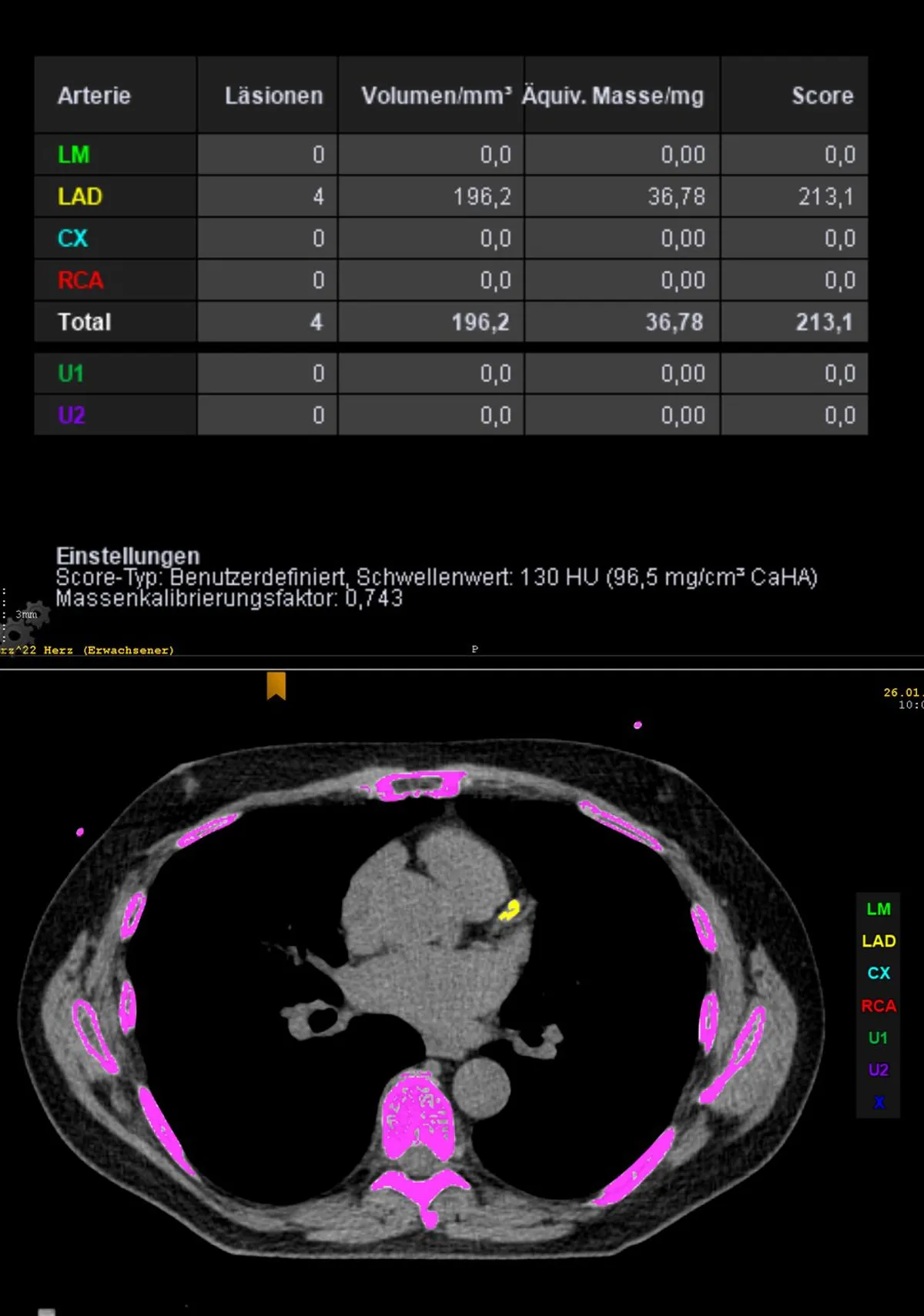
A score of zero means no calcified plaque was detected. In an appropriately selected asymptomatic adult, that is strongly associated with low near-term risk, and it can support deferring a statin when no major exception applies.
But zero is not immunity. Specifically, a zero:
- Does not rule out noncalcified plaque.
- Does not erase a high lifetime exposure to LDL or ApoB.
- Does not override familial hypercholesterolemia, severe hypercholesterolemia, diabetes, smoking, or a compelling family history.
CAC 1–99
Any positive score means calcified coronary atherosclerosis is present.
For scores of 1 to 99 below the 75th percentile, the 2026 guideline supports lipid-lowering therapy — usually a statin first — targeting at least a 30% LDL reduction and an LDL below 100 mg/dL, individualized to the person.
CAC ≥100, or ≥75th percentile
This level strongly supports treatment.
The guideline advises lipid lowering, preferably starting with a statin, toward at least a 50% LDL reduction and an LDL goal below 70 mg/dL.
A score of 300 or higher
Identifies risk that can approach treated secondary-prevention populations.
A score of 1,000 or higher
Signals particularly high risk and deserves a comprehensive prevention plan.
None of these are automatic prescriptions. Kidney function, drug interactions, prior adverse effects, diabetes, blood pressure, ApoB, Lp(a), age, and what the patient actually wants all still shape the plan.
The downsides and blind spots
It sees calcium, and not every plaque has calcium
CAC scoring does not detect noncalcified — “soft” — plaque.
That blind spot is important in anyone whose clinical risk stays high despite a score of zero. A coronary CT angiogram (CCTA) uses contrast to visualize the artery lumen and both calcified and noncalcified plaque in far greater detail. It is a different test, with different indications and different trade-offs.
It does not measure blockage or blood flow
A high CAC score does not tell us how narrowed any artery is. A zero score does not evaluate microvascular disease.
CAC is an anatomic plaque-burden tool. It is not a functional stress test. Those answer different questions.
It is not the right response to acute symptoms
Chest pressure, shortness of breath, fainting, or anything concerning for a heart attack requires a diagnostic evaluation, right now. A screening calcium score should never delay urgent care — and a prior zero score should never be used as reassurance during new symptoms.
It is not free
Radiation. Typical exposure is about 1 to 1.7 millisieverts (mSv). That would be around 10 to 17 chest X-rays, 30 to 50 coast-to-coast flights, or four to six months of the natural background radiation you get just from living on Earth. By contrast, an abdominal/pelvic CT is about 7.7 mSv.
The practical interpretation is that this is a low radiation dose. It is far below anything that causes immediate radiation injury. It may carry a very small theoretical increase in lifetime cancer risk, but that risk is too small to measure reliably in an individual.
Financial. Insurance coverage is inconsistent and many patients decide to pay out of pocket.
Mental health. Incidental findings — often in the lungs — occur in fewer than 10% of adults, which can lead to follow-up imaging, cost, and real anxiety.
”Should I repeat it every year to see if it’s working?”
No. And this one is counterintuitive, so stay with me.
A CAC score is not a treatment-response meter. Remember that we measure it before deciding if or how we should treat someone.
Statins - which are the first line therapy for high cholesterol - can increase plaque calcification while simultaneously reducing lipid content and stabilizing the plaque. So, a rising number after starting therapy does not automatically mean the treatment failed. It may mean the opposite — a rising score in this setting is generally interpreted as plaque stabilization, not worsening atherosclerosis.
This is why the 2026 guideline does not recommend repeat CAC testing after lipid-lowering therapy has begun.
If an appropriately selected person has a CAC of zero and treatment was deferred, repeating the scan may be reasonable — but only if the result could change the decision. Observational data suggest roughly three to five years for intermediate-risk adults and five to seven years for low-risk adults.
This is absolutely not an annual test.
Summary
- A CAC scan measures calcified plaque that has already formed. A positive score is direct evidence of coronary atherosclerosis, not an estimate of risk.
- It earns its place when the treatment decision is genuinely uncertain — generally men 40 and older and women 45 and older at borderline or intermediate risk, and only when the result would change what happens next.
- Zero is reassuring, not immunity. It does not rule out soft plaque, and it does not override familial hypercholesterolemia, an LDL at or above 190 mg/dL, diabetes, smoking, or a strong family history.
- Any positive score means atherosclerosis is present. Scores of 1 to 99 support lipid lowering toward at least a 30% LDL reduction; 100 or higher, or the 75th percentile, supports at least 50% and an LDL below 70 mg/dL.
- It is blind to noncalcified plaque and says nothing about blood flow. It is an anatomic tool, not a stress test — and never the right response to acute symptoms.
- It is not an annual test. Statins can raise the calcium number while stabilizing plaque, which is why repeat scanning after treatment starts is not recommended.
I like CAC scoring because it can reveal atherosclerosis before symptoms appear, and because it makes prevention personal in a way that a risk percentage never does. I do not like it as a badge, as a yearly scoreboard, or as a shortcut around clinical judgment.
Use it in the right person, at the right time, for a decision that is uncertain. Then act on the risk — not on the feelings of the number being high or low.
Sources and evidence notes
- 2026 ACC/AHA Multisociety Guideline on the Management of Dyslipidemia. Circulation. Published March 13, 2026. — Primary current guideline; source for selective use, the age and risk thresholds, the 1–99 and ≥100 treatment targets, the exceptions that override a zero score, and the recommendation against repeat testing once therapy has begun.
- American College of Cardiology. ACC/AHA Issue Updated Guideline for Managing Lipids, Cholesterol. — Authoritative patient-facing summary of the age ranges, selective use, and the LDL goals that apply when calcium is present.
- U.S. Preventive Services Task Force. Cardiovascular Disease: Risk Assessment With Nontraditional Risk Factors. — The 2018 I statement: evidence was insufficient to determine whether adding CAC to traditional risk assessment improves clinical outcomes. Named here because it is the strongest counterweight to the enthusiasm in this post; an update is in progress.
- RadiologyInfo.org. Cardiac CT for Calcium Scoring. — ACR/RSNA patient information; source for what the scan physically measures, the noncalcified-plaque limitation, the radiation range, and the incidental-findings caveat.
- Igor Deoli MD. My Favorite Heart Health Test as a Doctor. — Companion short; the opening of this post follows its wording.
Educational content only. It does not replace diagnosis or individualized care.
Read next